


Lab Members
We study neuromodulation and plasticity of the mammalian brain, with a focus on the functional consequences of changes to synaptic transmission and neural circuits, in terms of behavioral improvements and enhanced sensory perception.
If you are interested in a postdoctoral position, please email Dr. Froemke.
Principal Investigator
Robert C.
Froemke
,
PhD
Professor, Department of Otolaryngology—Head and Neck Surgery
The Skirball Foundation Professor of Genetics, Department of Neuroscience and Physiology
.jpeg)

Dr. Froemke received a PhD from University of California, Berkeley, and performed postdoctoral research at University of California, San Francisco.
Postdoctoral Fellows
Amy LeMessurier
PhD

Dr. LeMessurier received a BSc in biology and neuroscience from MIT and a PhD in neuroscience at University of California, Berkeley, working under Dan Feldman. Her PhD research focused on how naturalistic experience shapes the fine-scale organization of sensory representations in somatosensory cortex. For her postdoc work, Dr. LeMessurier is interested in sensorimotor learning in naturalistic contexts�in particular how plasticity in sensory cortical circuits supports learning of complex behaviors by social transmission. Dr. LeMessurier�s research is supported by the BRAIN Initiative NRSA/F32 fellowship.
Ariel E. Hight
PhD
.jpg)
Dr. Hight studies sensory neuroplasticity in rats and humans with cochlear implants (CIs). The CI is an auditory neuroprosthesis that restores auditory sensation to the deafened ear by sending electrical currents directly to auditory nerve, mimicking the patterns of activity in the healthy ear. Upon hearing with the CI for the first time, however, human subjects report significantly distorted sound compared to later time points. Learning to hear the CI requires a rehabilitation period and is proposed to require plasticity within the central auditory system, for example via changes to synaptic transmission and neural circuits. Dr. Hight is interested in how neuroplasticity enables speech comprehension despite significantly distorted cues provided by the CI. He received a PhD from Harvard University working under Dan Polley focusing on compensatory plasticity in the auditory cortex following noise-induced high-frequency hearing loss. He is completing a joint postdoc with Mario A. Svirsky, PhD, in human CI studies.
Brendan Ito
PhD

Kelvin Quinones-Laracuente
PhD

As a psychiatrist and researcher, Dr. Q. Laracuente is dedicated to uncovering the neural pathways of pro-social behaviors, including socialization, parental behaviors, and altruism. Observing the wide range of psychiatric illnesses during his clinical practice, he recognized that symptoms often impair social functions. He believes that a deeper understanding of social brain pathways can lead to improved diagnostics, treatments, and preventative strategies for psychiatric disorders. Dr. Q. Laracuente earned his MD and PhD from the University of Puerto Rico, School of Medicine, under the guidance of Dr. Greg J. Quirk, where he explored the circuitry involved in the retrieval of aversive memories over time. He recently completed his psychiatry residency at NYU Grossman School of Medicine.
Mackenna Wollet
PhD
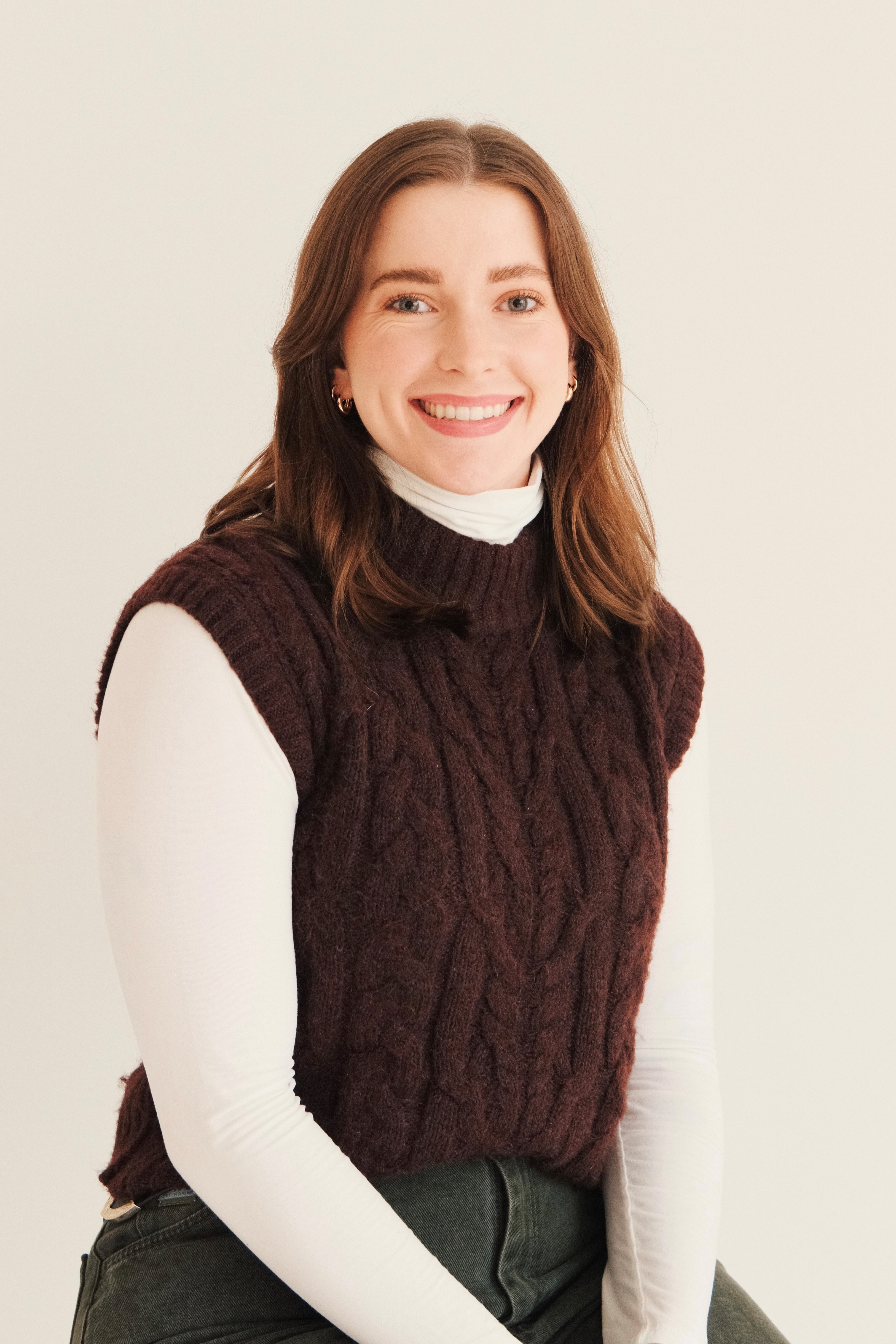
Dr. Wollet earned her PhD in Physiology and Pharmacology from UT Health San Antonio and a BS in Cell and Molecular Biology from Texas Tech University. Her dissertation work, under the mentorship of Dr. Jun Hee Kim and Dr. Jason R. Pugh, focused on the effects of developmental nicotine exposure on auditory brainstem functional development. As a synaptic physiologist in the Froemke lab, Mackenna is interested in auditory cortex plasticity and its role in learning and perception.
Maria Clara Selles Japas
PhD

Dr. Selles Japas received a biochemistry degree from the University of Buenos Aires, Argentina. During her graduate work in the Ferreira Lab (UFRJ, Brazil), she developed an immune-gene therapy for Alzheimer�s disease; in collaboration with Dr. Froemke and Moses V. Chao, PhD, she studied the therapeutic potential of oxytocin for Alzheimer�s disease. By focusing on the oxytocinergic system during postdoctoral training, Dr. Selles Japas aims to understand how social interactions could modulate the onset and progression of Alzheimer�s disease.
Megan Kirchgessner
PhD

Dr. Kirchgessner received an undergraduate degree in cognitive sciences and psychology from Rice University and a PhD in neurosciences from University of California, San Diego. Dr. Kirchgessner conducted doctoral research in the lab of Dr. Ed Callaway at the Salk Institute, studying the functional diversity of different excitatory neurons in the mouse visual cortex that project to the visual thalamus. Her postdoctoral research in the Froemke Lab focuses on understanding the functional postnatal development of auditory cortical circuits, as well as the the environmental and neuromodulatory factors that shape its experience-dependent plasticity. Her work is supported by a Junior Fellow Award from the Simons Foundation Society of Fellows
Sarah Winokur
PhD

Dr. Winokur received a PhD in neuroscience from the University of Massachusetts Amherst and a BA in neuroscience from Smith College. For her doctoral research in the lab of Mariana Pereira, Dr. Winokur focused on determining neurobiological underpinnings of depression-related maternal behavior deficits. For her postdoctoral research, Dr. Winokur will use an interdisciplinary approach to continue investigating the maternal brain and behavior�particularly, how sickness and inflammation alters caregiving and associated neural function.
Yuko Tamaoki
PhD

Graduate Students
Asha Caslin
BS

Asha graduated from Emory University with a BS in neuroscience and behavioral biology and philosophy. While there, Asha studied potential therapeutics for TBI and stroke with Shan Ping Yu and social salience network activation in prairie voles with Larry Young. For graduate work, Asha is interested in how sickness and inflammation alter social behavior in mice. Asha plans to use a combination of behavior, optogenetics, and in vivo recording techniques to study how oxytocin modulates these social interactions.
Chloe Mengden
BA
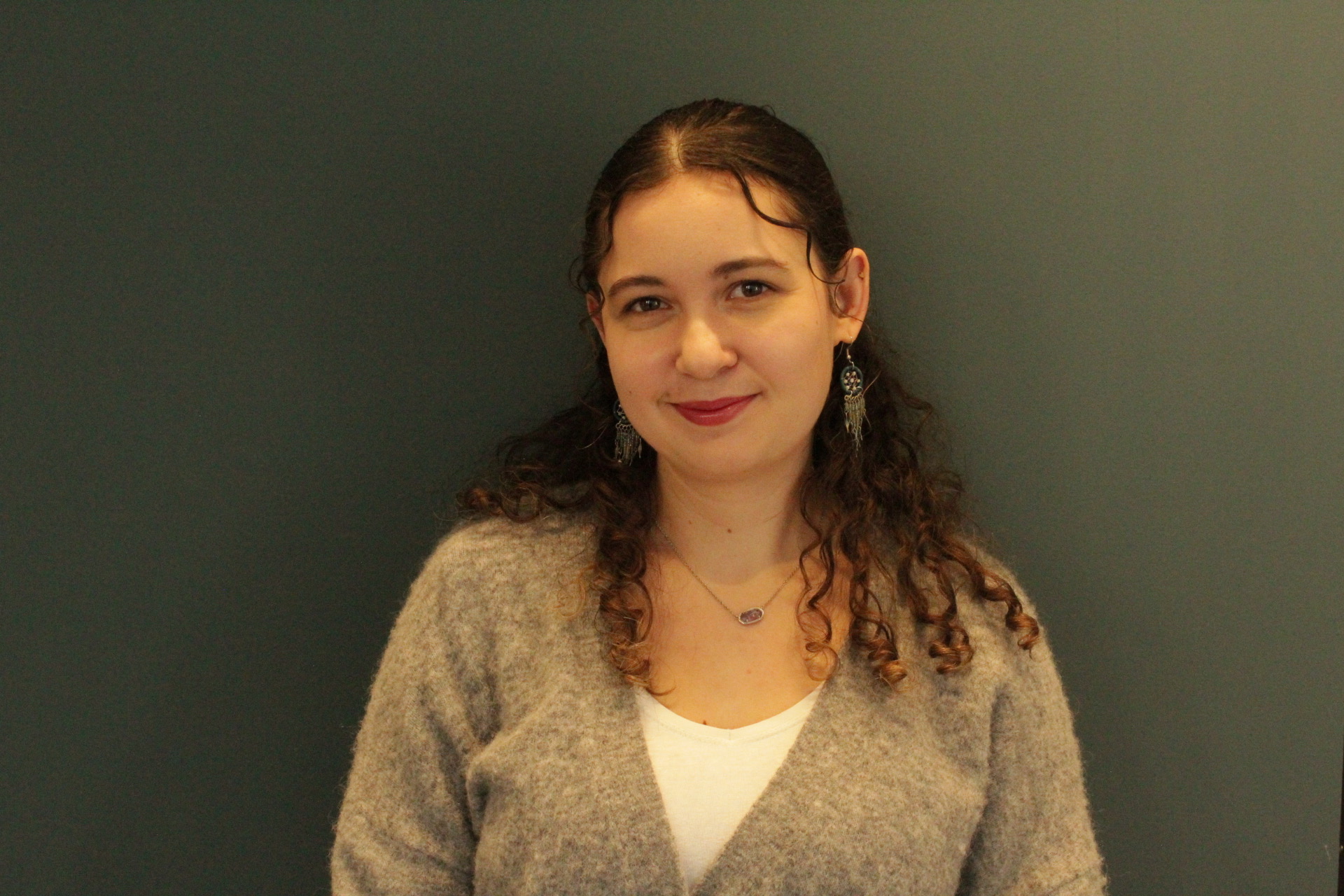
Chloe graduated from Vassar College with a B.A. in psychological sciences and mathematics and statistics. While there, she worked with Lori Newman studying the role of astrocytes in cognition and with Zachary Cofran studying bony labyrinth morphology across evolution. For her graduate work, in collaboration with Dayu Lin, Chloe is interested in the amygdala and hypothalamic circuits involved in maternal behavior. She plans on using a combination of in vivo recordings, functional manipulations, and electrophysiology to evaluate how experience and hormones work to facilitate infant care.
Sydney Maeker
BA
Tyrique Richardson
BA
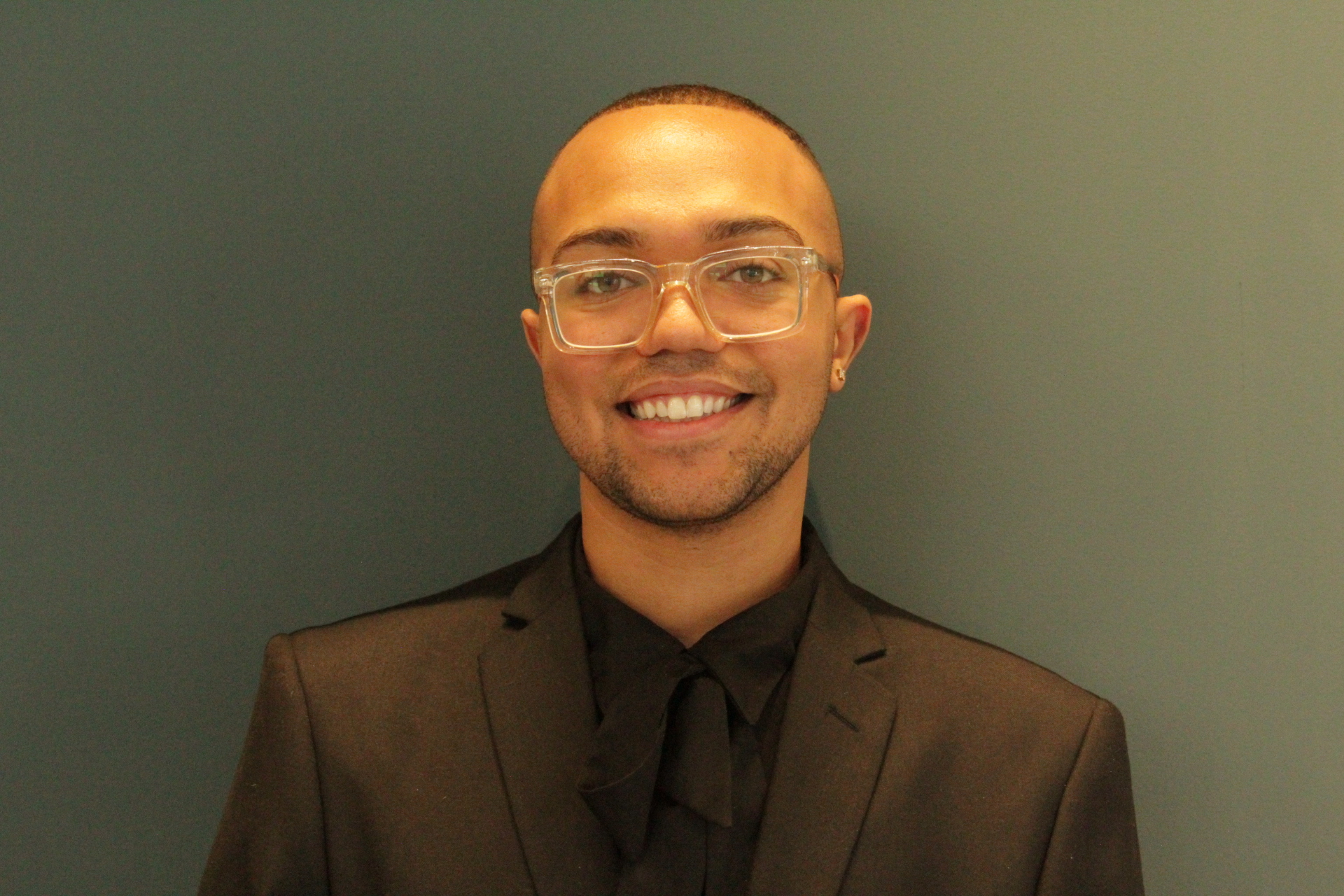
Tyrique graduated from Earlham College with a B.A. in biochemistry and psychology and completed predoctoral research at Mayo Clinic Florida with WolfdieterSpringer, where he studied mitochondrial and lysosomal dysfunction in neurodegenerative disorders. For his graduate work, in collaboration with Orna Issler, Tyrique is interested in deciphering the epigenetic, behavioral, and synaptic signatures underlying impaired maternal caregiving. He plans to use a combination of behavioral assays, spatial transcriptomics, and in vivo neural recording techniques to examine individual differences in shaping maternal behavior and stress-related neural adaptations.
Violet Ivan
BS

Violet received a BS from the University of Massachusetts Amherst, where she researched how zebra finches integrate sensory information to process social cues in the Healey Lab. After graduating, Violet worked as a research assistant in the laboratory of Jeffrey Friedman M.D., Ph.D at Rockefeller University, where she investigated the neurocircuitry underlying stress and eating disorders in mouse models. For her graduate work, Violet is interested in understanding the neural mechanisms of cooperative caregiving. Specifically, how oxytocinergic modulation of the mesolimbic dopamine system promotes engagement in communal childcare. She plans on using novel behavioral methods and in vivo recordings to delineate the synergy between these neuromodulators.
Technicians
Diana Maria Gilly Suarez
BA

Gaia Moisan
BS

Gaia Moisan graduated from Sarah Lawrence College in 2023, with a concentration in neuroscience and psychology. They are interested in the neurophysiology of birth and parental attachment- particularly how the development of these systems impacts health and wellbeing. Their work in the Froemke lab involves visualizing and quantifying oxytocin receptor expression in mouse uterine and mammary tissue in the days following birth.
Ayat Agha
BA

Ayat graduated from NYU in 2022 with a degree in Psychology and is currently the Lab Manager of the Froemke Lab. She works alongside Chloe Bair-Marshall studying oxytocin-dependent plasticity in the central amygdala and its role in maternal learning. Her long-term goal is to integrate rigorous, research-informed approaches into a career in mental health counseling.

.png)